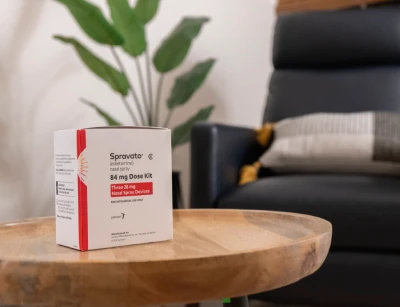
SPRAVATO® is FDA-approved for treatment-resistant depression and depressive symptoms in adults with major depressive disorder with acute suicidal ideation or behavior when used with an oral antidepressant. Its effectiveness has been evaluated across randomized clinical trials and longer-term follow-up research.
What “Success” Means in Studies
The most helpful way to think about SPRAVATO® success rate is in two clinical outcomes: response (a major reduction in symptoms) and remission (symptoms reduced to a low level). Those numbers vary depending on the study, the patient population, and whether you are looking at short-term induction or longer-term maintenance.
For example, across published summaries and health-technology assessments, remission rates in some trial settings land in the teens to low twenties by around four weeks, with response rates generally higher than remission rates.
This difference matters for your expectations: it is common for someone to feel meaningfully better (response) before they meet criteria for remission. A practical goal is improvement you can see in daily life, such as getting out of bed more reliably, returning to routines, or feeling less weighed down by symptoms.
Induction Results Versus Maintenance Results
SPRAVATO® therapy is typically delivered in phases: an induction phase with more frequent visits, then a maintenance phase that spaces visits out to the least frequent schedule that maintains response or remission.
Longer-term data suggest that a substantial portion of people who continue into maintenance can achieve remission by the end of an optimization or maintenance period. One long-term study report described remission rates around the mid-forties at the endpoint in a treatment-resistant sample, which helps explain why many clinicians view maintenance as a key part of the overall outcome.
Why Real-World Outcomes Can Look Different
Outside of controlled trials, success rates can look higher or lower depending on how “success” is defined and how patients are selected. Some real-world analyses combine response and remission into a single category and may rely on clinician judgment and symptom scales rather than a single strict endpoint. For instance, a retrospective real-world study summary reported high proportions of patients meeting response or remission during induction and maintenance, with remission increasing during maintenance.
The most important takeaway is that SPRAVATO® results are individualized. Your history, co-occurring anxiety, sleep disruption, medication changes, and consistency with visits will influence outcomes.
SPRAVATO® Treatment Support: Call Us Today To Learn More
If you want help understanding what “success” can look like for your situation, we can walk you through the data, the phases of care, and a realistic timeline. At Genesis Behavioral Health Services, we explain the difference between response and remission in plain language and build a monitored plan that supports steady progress. If you are exploring SPRAVATO® treatment,
call us today to talk through next steps.